Neuron-based Multifractal Analysis of Neuron Interaction Dynamics in Large Models
NeuroMFA characterizes the multifractal organization of AI weight networks across training checkpoints.
Discovery and Understanding with AI Lab
Forward ModelingandInverse Design:Quantifying structure and dynamics across scales, and guiding design.AI for ScienceandScience for AI:Understanding the world with AI, and understanding AI itself.
We develop mathematical and AI methods to investigate multiscale structure and multiscale dynamics: how to quantify them, what we can predict, and how they shape function. These questions also inform our growing work in inverse design, for scientific systems and AI models themselves.
Includes the PI's earlier work with collaborators at USC and other institutions.
Quantify network organization and heterogeneity across scales, and investigate their relation to function.
NeuroMFA characterizes the multifractal organization of AI weight networks across training checkpoints.
Multifractal spiking statistics connect neuronal dynamics to network structure and function.
NMFA uses node-centered box growth to characterize multiscale network structure and compare its complexity and heterogeneity.
Analyze and predict evolving fields, coupled dynamics, and systems with memory.
GeoWind2Plan predicts local 3D urban wind with a geometry-conditioned neural operator for energy-efficient UAV planning, with planned routes evaluated under high-fidelity CFD wind.
CMWNO learns coupled solution operators through interacting kernels in multiwavelet space.
MWT learns PDE solution operators by representing kernels in multiwavelet bases across scales.
From network-informed materials selection and neuro-inspired AI models toward physics-constrained inverse design.
ITHP combines a neuro-inspired processing hierarchy with information bottlenecks for multimodal learning.
Graph and multifractal analysis compare nanofiber networks for structural-battery selection; physical tests assess mechanical performance and ion transport.
Congratulations to James on his selection for a UTK Scholarly Development Grant - Research Assistantship (SDG-RA)!
GeoWind2Plan has been accepted as a Spotlight at NeurIPS 2026. Congratulations to Shaoxiang, Yucheng, and our collaborators!
Our collaborative review of complex nanoparticle systems, from synthesis and self-assembly to graph theory and applications, is published in Chemical Reviews.
Toward a Structure-to-Function Science of Foundation Models is accepted as a visionary paper at the ACM AI Leadership Summit 2026. Congratulations to Yucheng and Shaoxiang!
AI Tennessee supports our research on AI for materials.
Our group receives support from NSF COMPASS, with Xiongye Xiao leading the research at UTK as Principal Investigator.
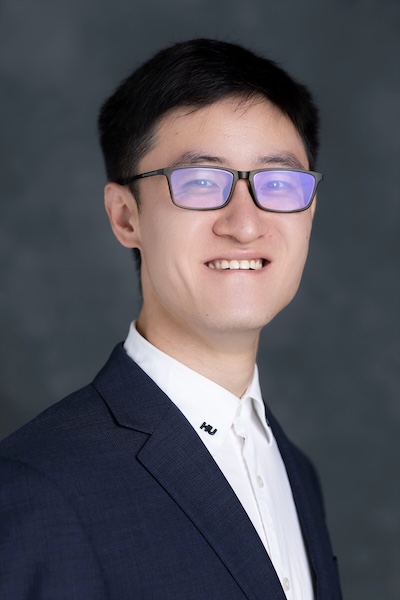
Principal Investigator
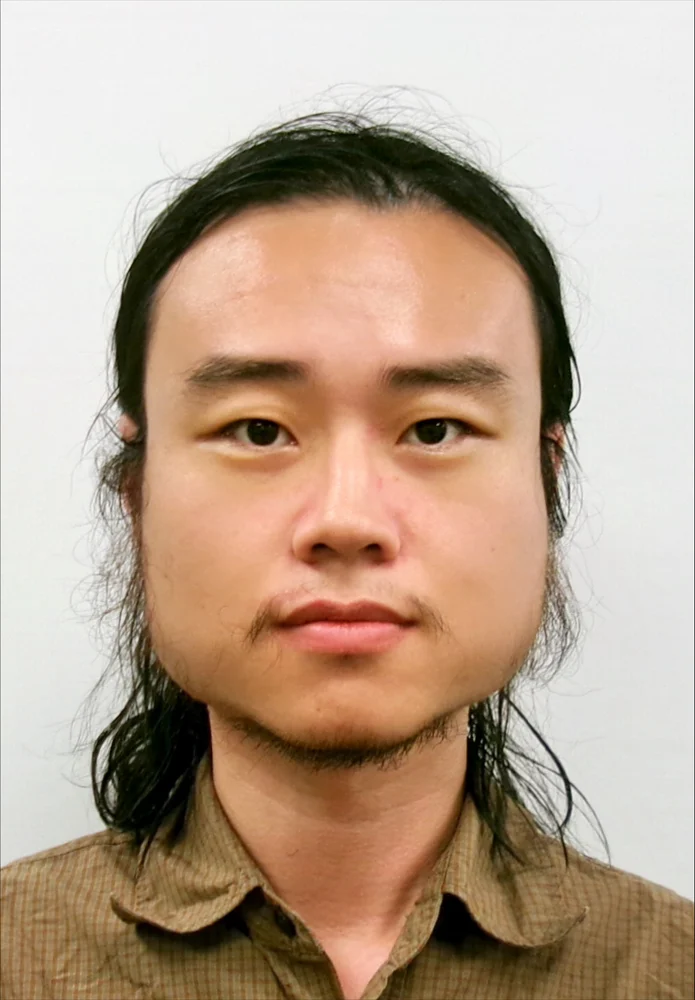
PhD Student
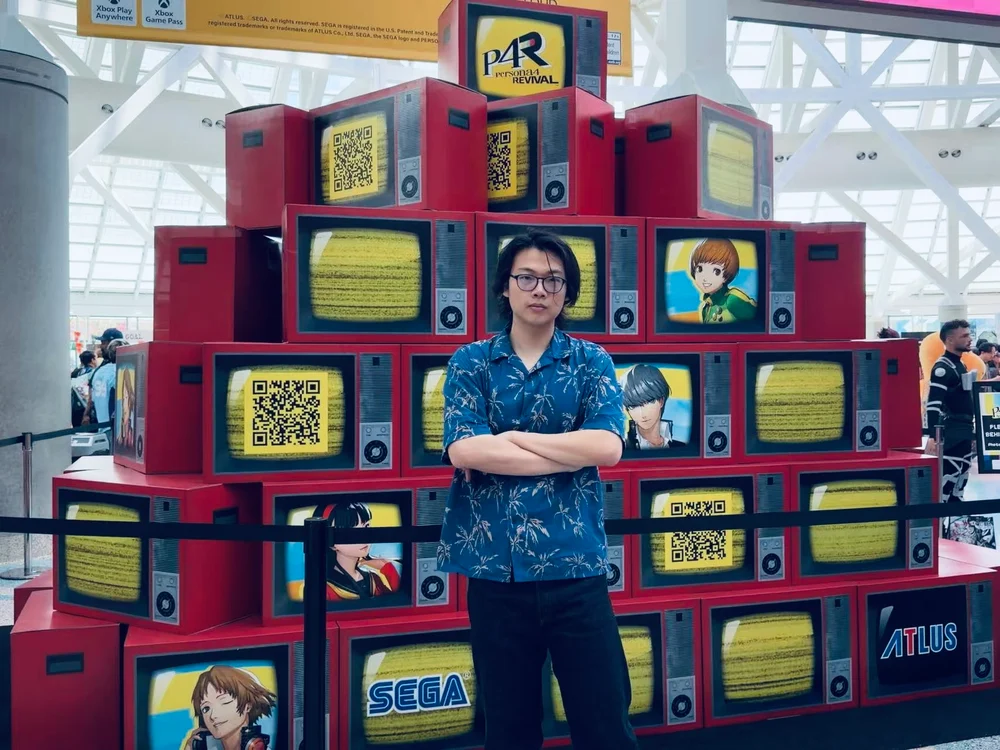
PhD Student
PhD Student (co-advised by Dr. Fei Liu)

PhD Student
Visiting Scholar; PhD Student at McGill University
Undergraduate Research Assistant
Undergraduate Research Assistant
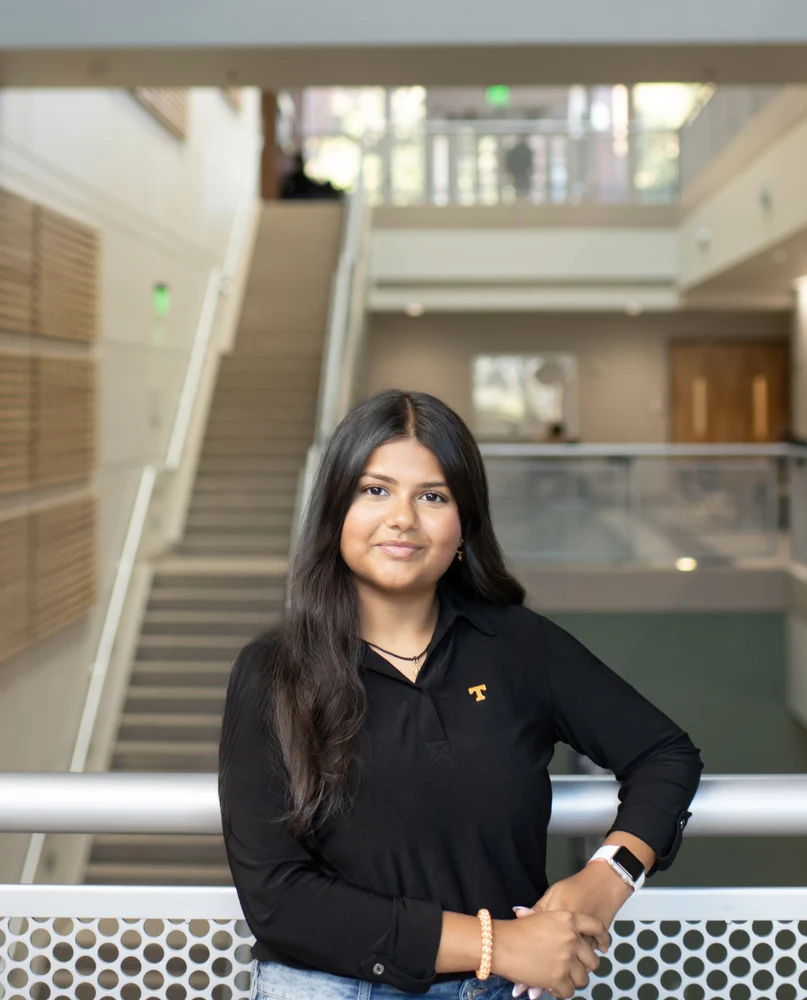
Undergraduate Researcher
We welcome students and collaborators interested in AI methods for scientific systems and in the study and design of AI models.
 U.S. National Science FoundationThrough COMPASS, an NSF Science and Technology Center
 AI TennesseeUniversity of Tennessee, Knoxville
Our PI is also a member of UTK's Foundational AI cluster.
We gratefully acknowledge support from AI Tennessee. Our COMPASS research is supported by the U.S. National Science Foundation under Award No. 2243104. Any opinions, findings, and conclusions or recommendations expressed here are those of the authors and do not necessarily reflect the views of the U.S. National Science Foundation.